STP Cable
Wire Harness
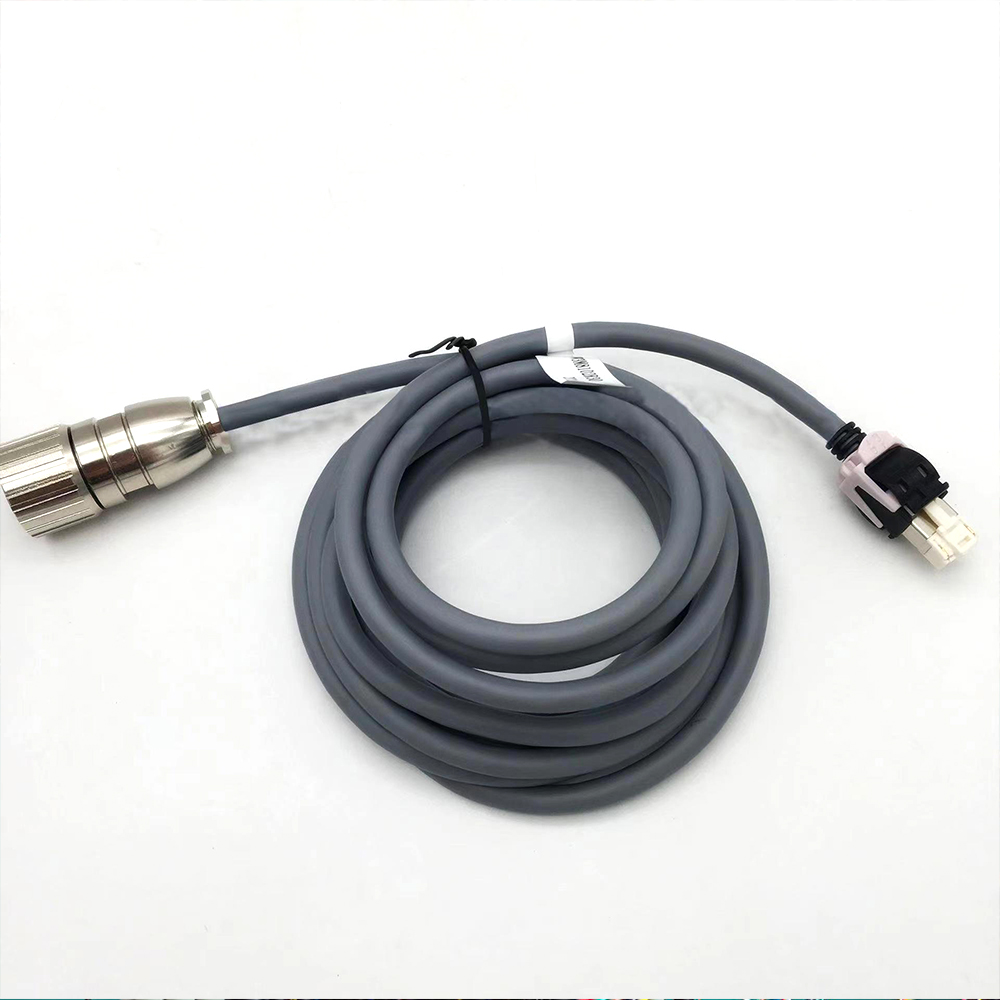
- Product Brief: Wire Harness: Essential Component for Electrical SystemsA wire harness—also referred to as a cable harness or wiring assembly—is a bundled arrangement of electrical wires, cables, connectors, terminals, and protective components. It is designed to organize, route, and secure electrical connections
Description
Wire Harness: Essential Component for Electrical Systems
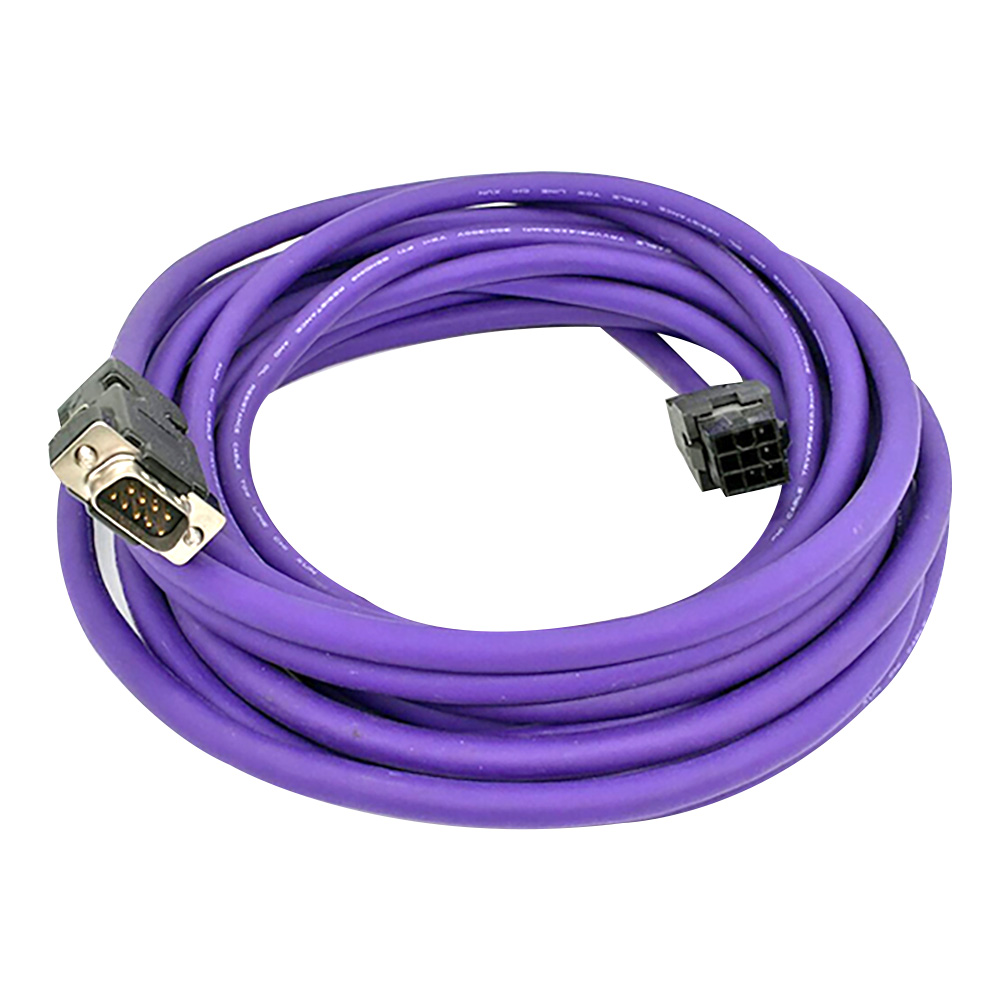
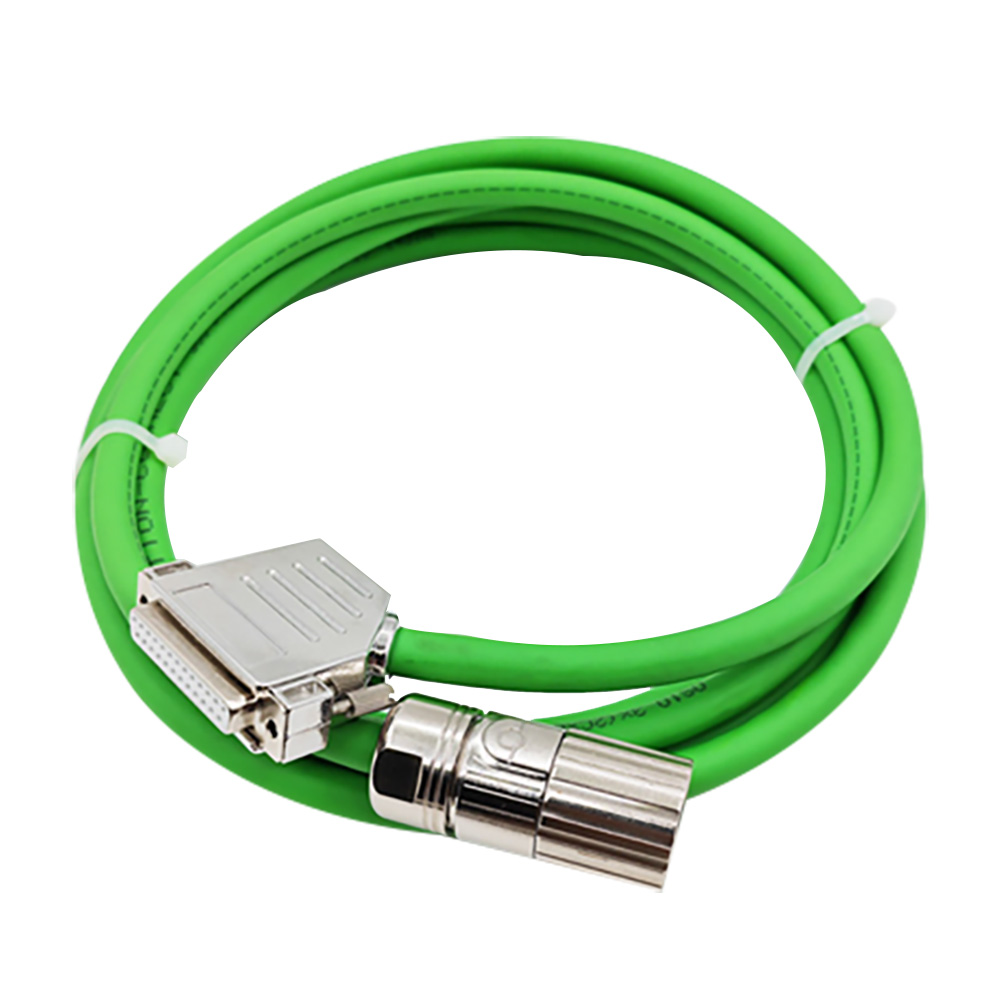
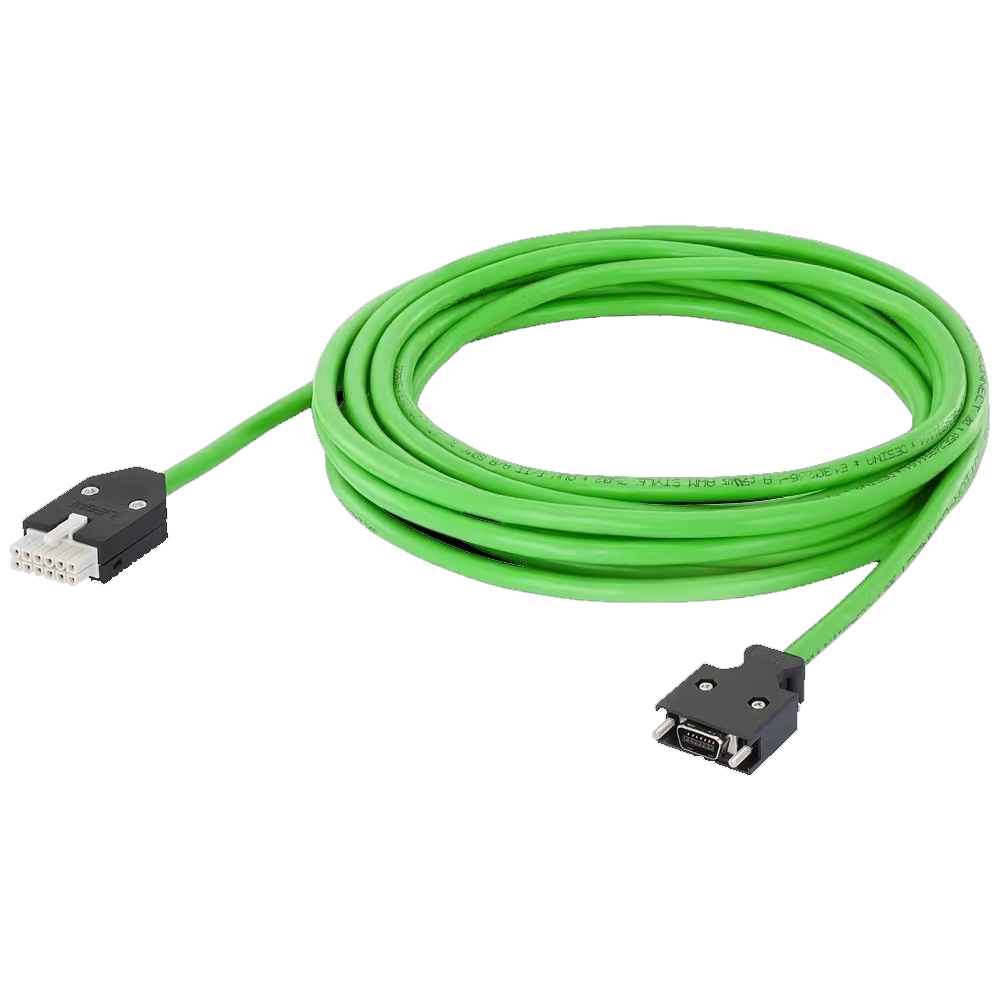
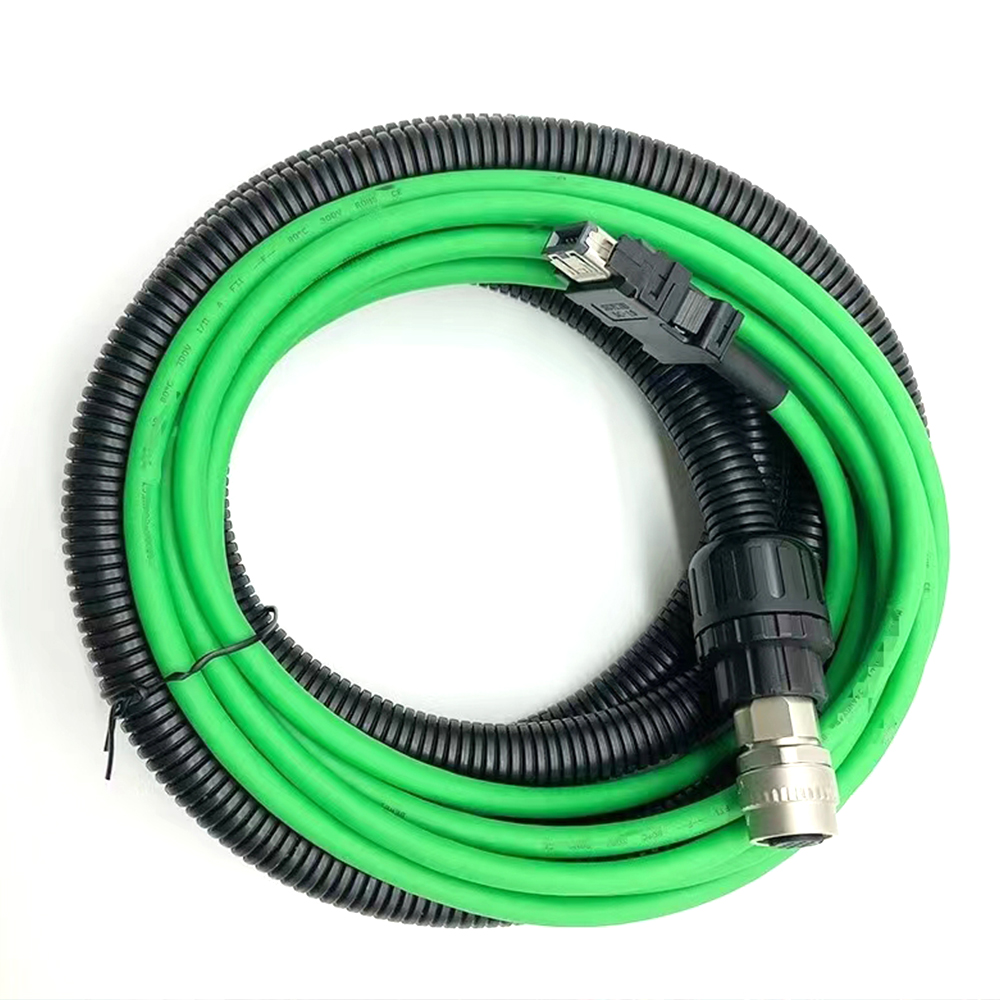
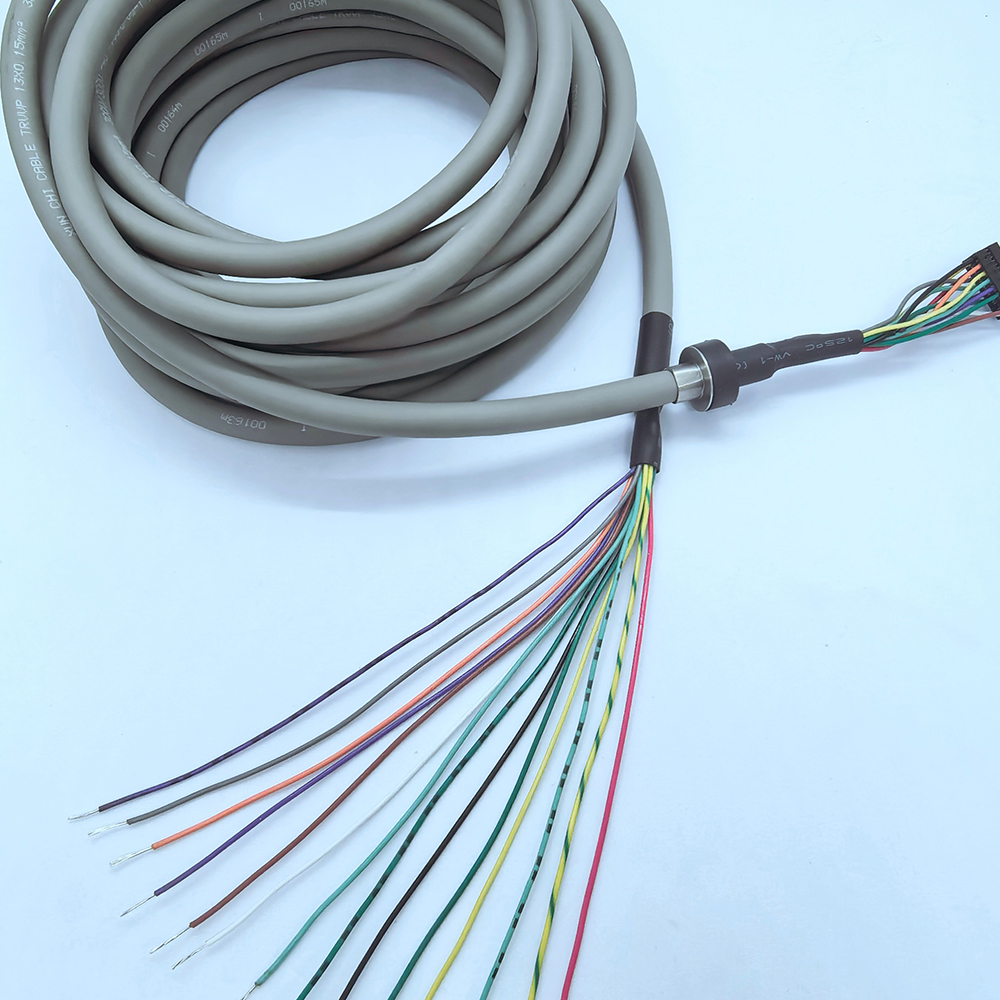
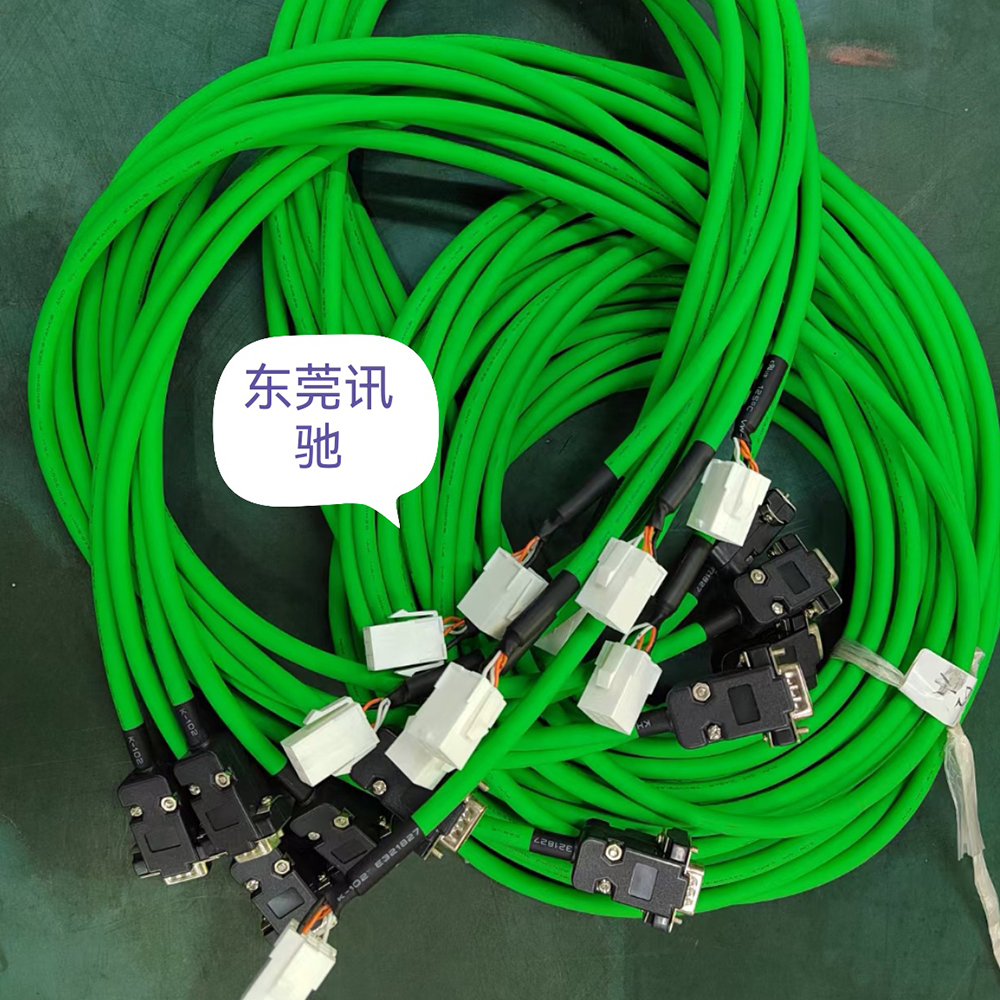
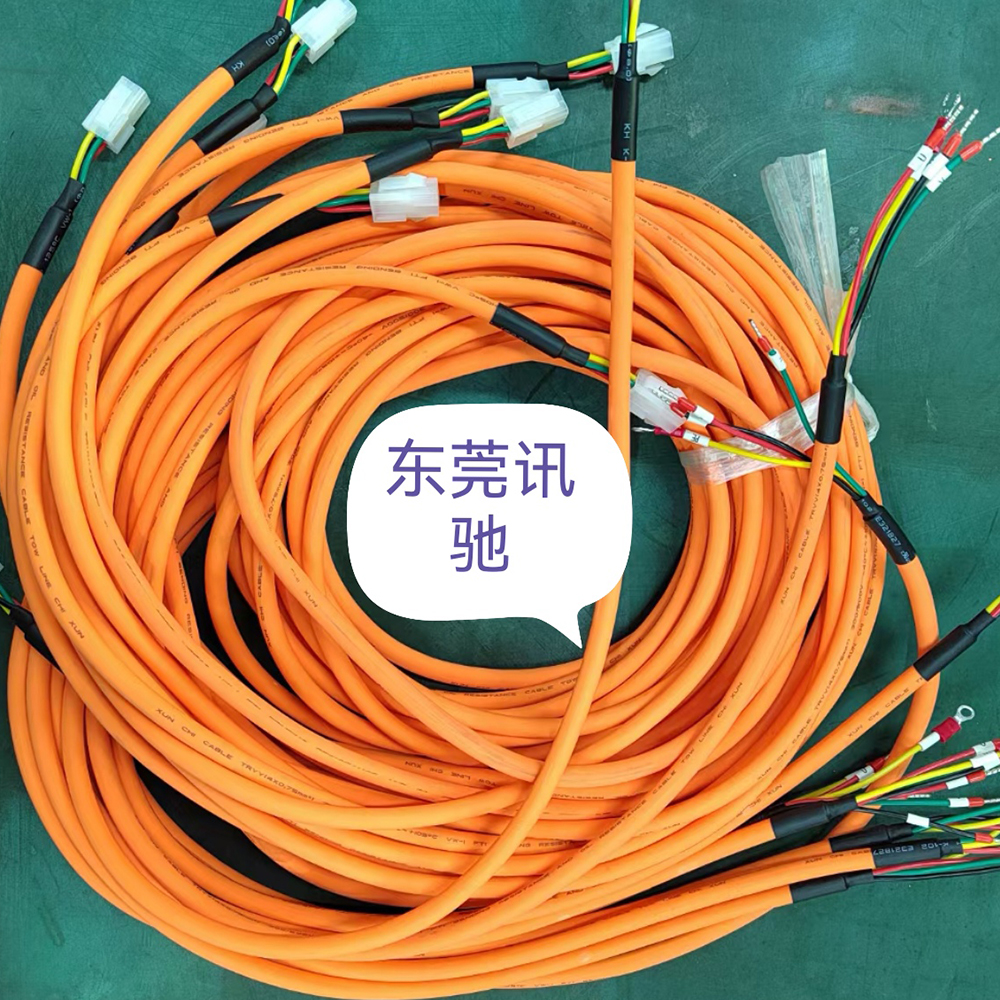
A wire harness—also referred to as a cable harness or wiring assembly—is a bundled arrangement of electrical wires, cables, connectors, terminals, and protective components. It is designed to organize, route, and secure electrical connections in a wide range of equipment and systems.
Core Functions
Simplify Wiring LayoutsBundles messy individual wires into a structured assembly, reducing clutter and simplifying installation, maintenance, and troubleshooting processes.
Protect WiresUtilizes sleeves, tapes, looms, or braids to shield internal wires from abrasion, moisture, heat, chemicals, and electromagnetic interference (EMI), thus extending the service life of the electrical system.
Ensure Stable ConnectivityStandardized connector configurations ensure reliable electrical signal and power transmission, minimizing the risk of loose connections, short circuits, or system failures.
Key Components
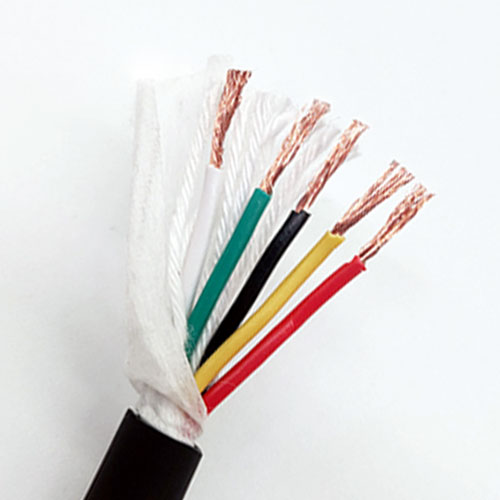
Wires/Cables: Conductors for transmitting power or signals, with specifications customized based on current capacity, voltage rating, and environmental requirements.
Connectors/Terminals: Enable quick connection and disconnection between the harness and equipment components.
Protective Sleeving: Includes heat-shrink tubing, corrugated plastic looms, fabric tape, or braided sleeves for insulation and protection.
Clips & Ties: Secure the harness to the host equipment to prevent shifting or damage during operation.
Typical Applications
Wire harnesses are critical in almost all industries requiring electrical connectivity:
Automotive: Used in engine control units, lighting systems, infotainment systems, and chassis electronics.
Aerospace & Defense: Applied in aircraft avionics, satellite systems, and military equipment, with strict compliance to high-reliability standards.
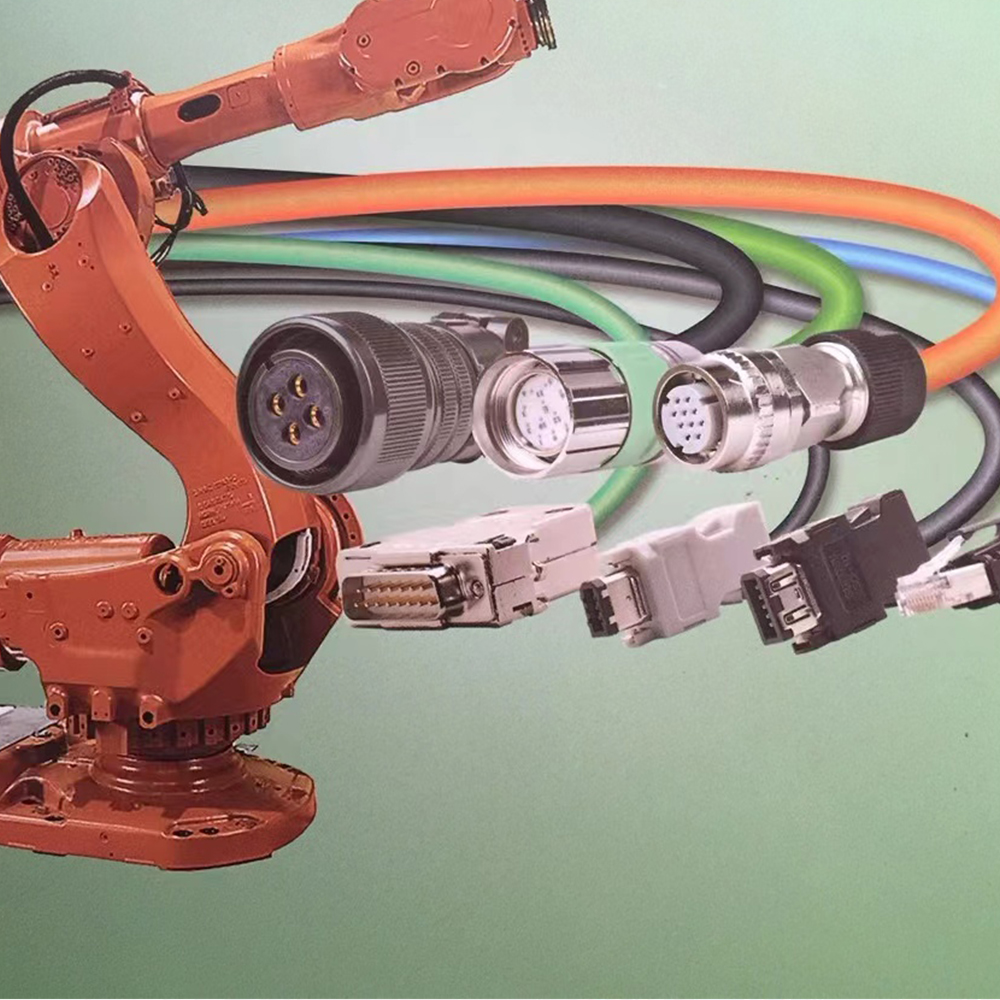
Industrial Equipment: Integrated into CNC machines, robotics, testing instruments (e.g., temperature test chambers), and factory automation systems.
Consumer Electronics: Found in home appliances, medical devices, and communication equipment.
Advantages for Manufacturers
Streamlined Production: Pre-assembled harnesses reduce on-site wiring time and improve production efficiency.
Consistency & Quality: Standardized manufacturing processes ensure uniform quality across batches, lowering defect rates.
Cost-Effective: Reduces material waste and post-sales maintenance costs, optimizing the overall cost structure of the product.
FAQs
Common causes of flexible cable failure include:
Over-Bending: Bending the cable beyond its minimum bend radius (MBR) damages conductors and insulation. Prevention: Adhere to the manufacturer’s MBR specifications and use cable management tools (e.g., cable tracks) to control bending paths.
Abrasion & Wear: Friction with surrounding components wears down the sheath. Prevention: Choose cables with wear-resistant sheathing (e.g., PUR) and install protective conduits or cable carriers.
Environmental Damage: Exposure to chemicals, moisture, or extreme temperatures degrades materials. Prevention: Select cables rated for the specific environment and use sealing or shielding where necessary.
Incorrect Installation: Tension, kinking, or improper grounding can strain the cable. Prevention: Follow installation guidelines, avoid pulling cables tightly, and ensure proper grounding for shielded cables.
Eelecting the appropriate flexible cable requires considering several key factors:
Movement Type: Determine if the cable will undergo bending (single or multi-axis), twisting, or torsional movement—this dictates the required flexibility (e.g., high-flex for robotic arms vs. medium-flex for simple folding applications).
Environmental Conditions: Assess temperature range (from extreme cold to high heat), exposure to chemicals, oil, water, or UV radiation—choose insulation/sheathing materials (e.g., PUR for oil resistance, TPE for wide temperature tolerance) accordingly.
Electrical Requirements: Confirm voltage rating, current capacity, and signal transmission needs (e.g., shielded flexible cables for reducing electromagnetic interference in data applications).
Mechanical Durability: Evaluate the number of bending cycles required (e.g., millions of cycles for long-life industrial use) to select cables with suitable conductor stranding and sheath thickness.

lexible cables are widely used in industries and equipment where frequent movement is involved. Common applications include:
Industrial Automation: Robotic arms, automated guided vehicles (AGVs), and linear motion systems.
Material Handling: Conveyor belts, hoists, and cranes that require cables to bend with mechanical movement.
Medical Equipment: Portable devices (e.g., ultrasound machines), surgical robots, and patient monitors that need flexible wiring for mobility.
Consumer Electronics: Laptop power cords, headphones, and wearable devices where flexibility ensures user comfort and product longevity.
Automotive Industry: Wiring for folding side mirrors, seat adjustments, and retractable door handles.
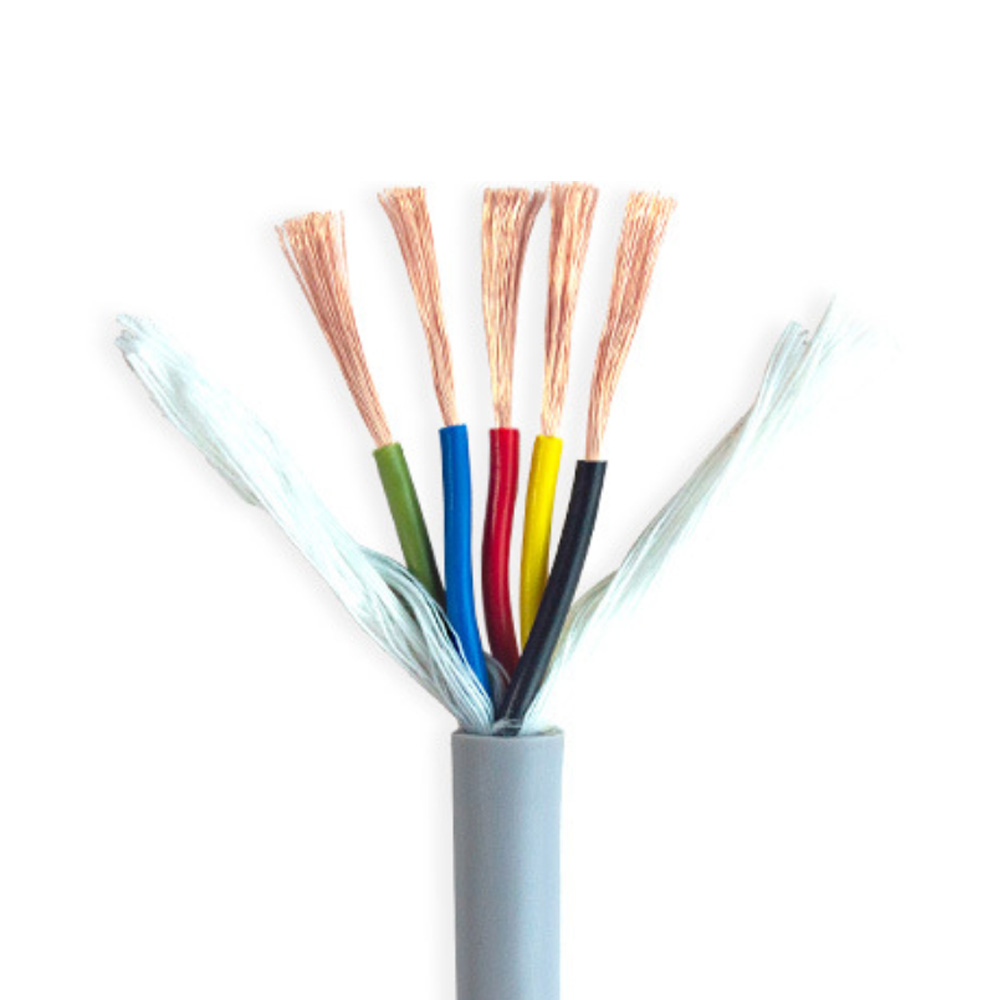
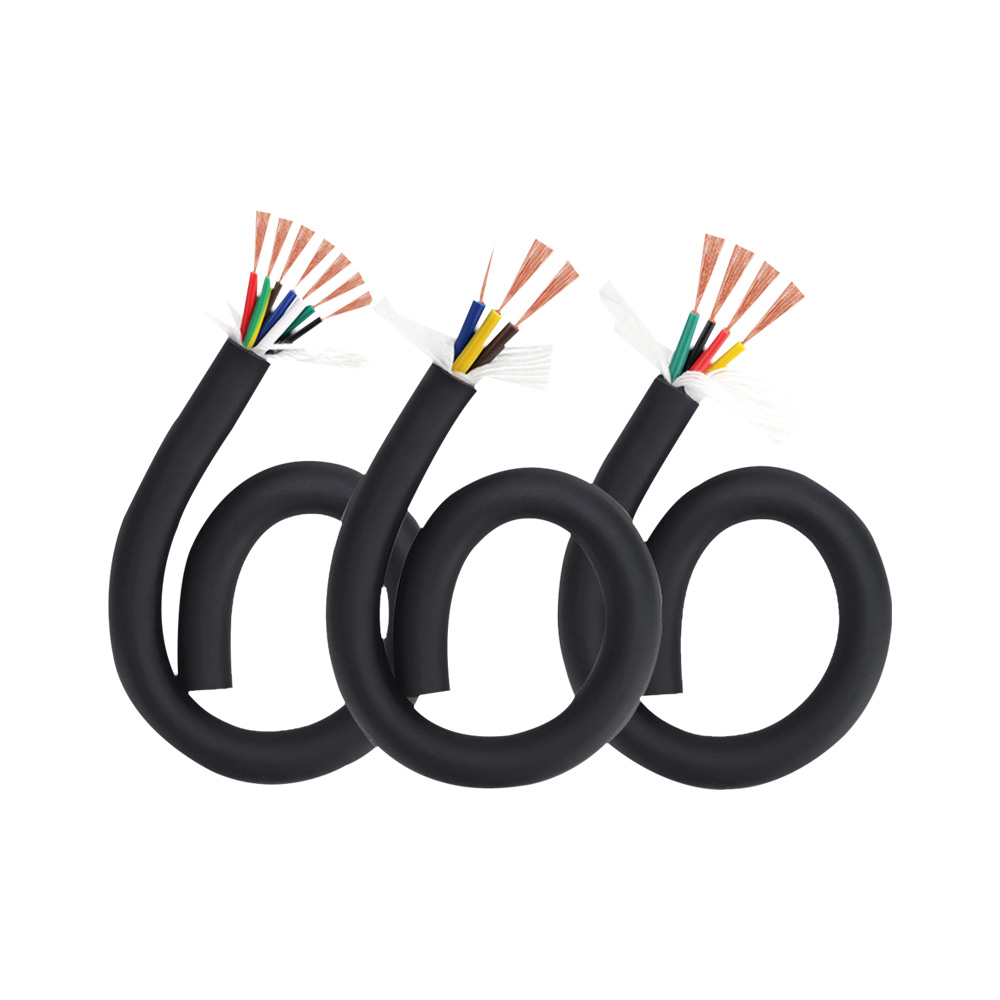
A flexible cable is a type of electrical cable designed to withstand repeated bending, twisting, and movement without compromising its electrical performance or structural integrity. Unlike standard fixed-installation cables, which are engineered for static or minimal-movement applications, flexible cables feature specialized constructions—such as fine-stranded conductors (instead of solid or coarse-stranded ones), flexible insulation materials (like PVC, TPE, or PUR), and robust sheathing—that enhance their durability under dynamic stress. This design allows them to be used in scenarios requiring constant motion, such as robotic arms, conveyor systems, and portable equipment.
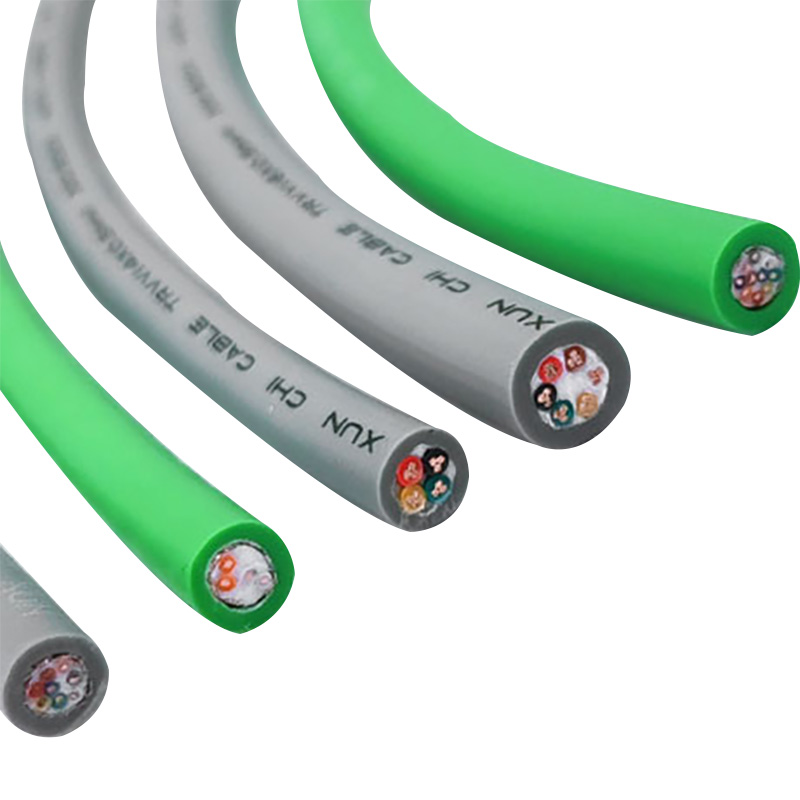
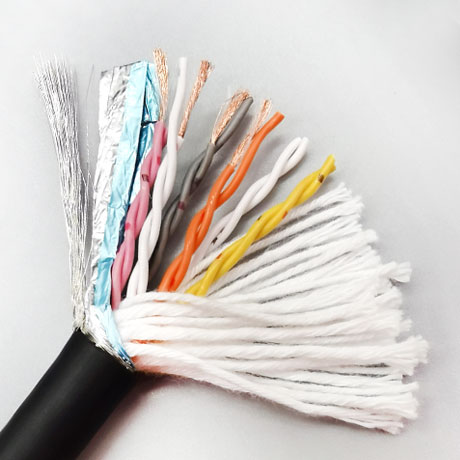
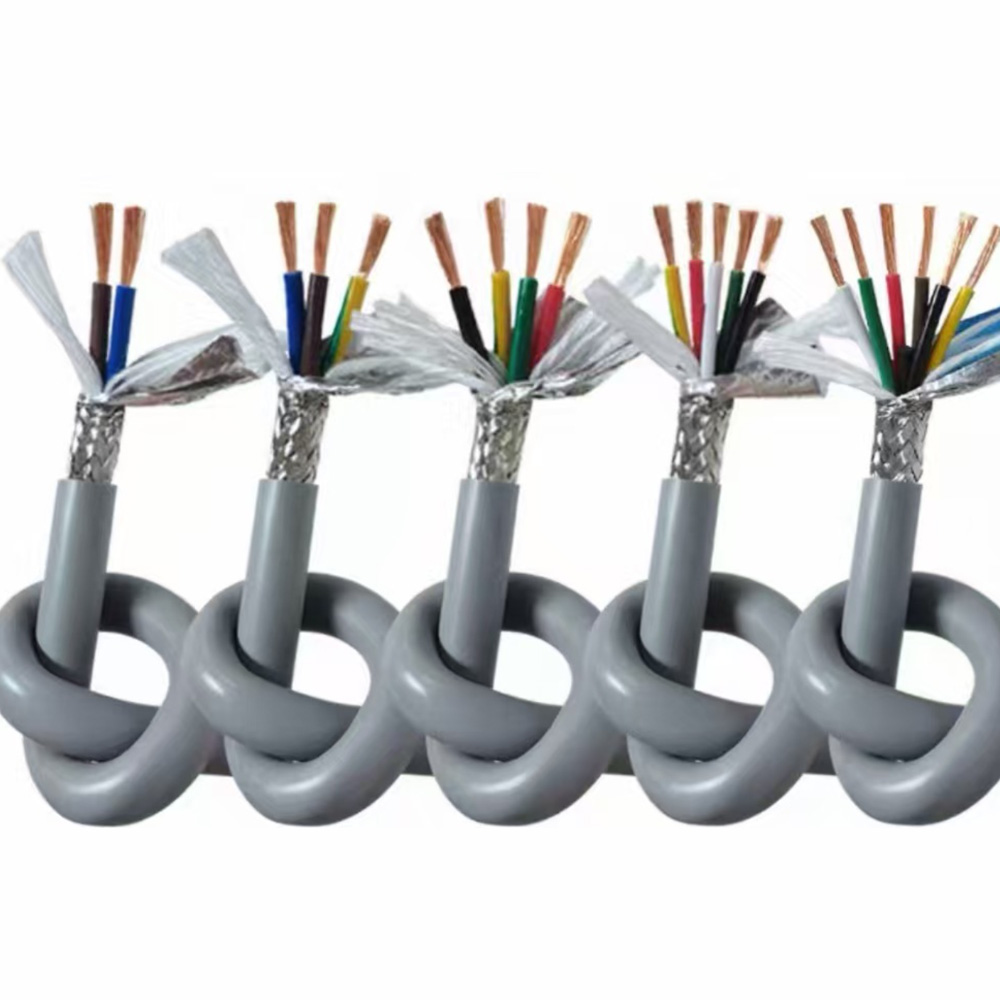
In industrial scenarios where dynamic motion and signal integrity coexist, standard cables often fail to meet requirements—either lacking flexibility for long-term bending or failing to block interference for precise signals. TRVVPS Twisted Pair Shielded Drag Chain Cable solves these pain points through its integrated design of twisted pairs, shielding, and high flexibility, ensuring reliable, stable, and long-lasting performance. It is a critical cabling solution for upgrading automation levels and improving production precision in modern manufacturing.